About Industrial Zero Liquid Discharge Plant
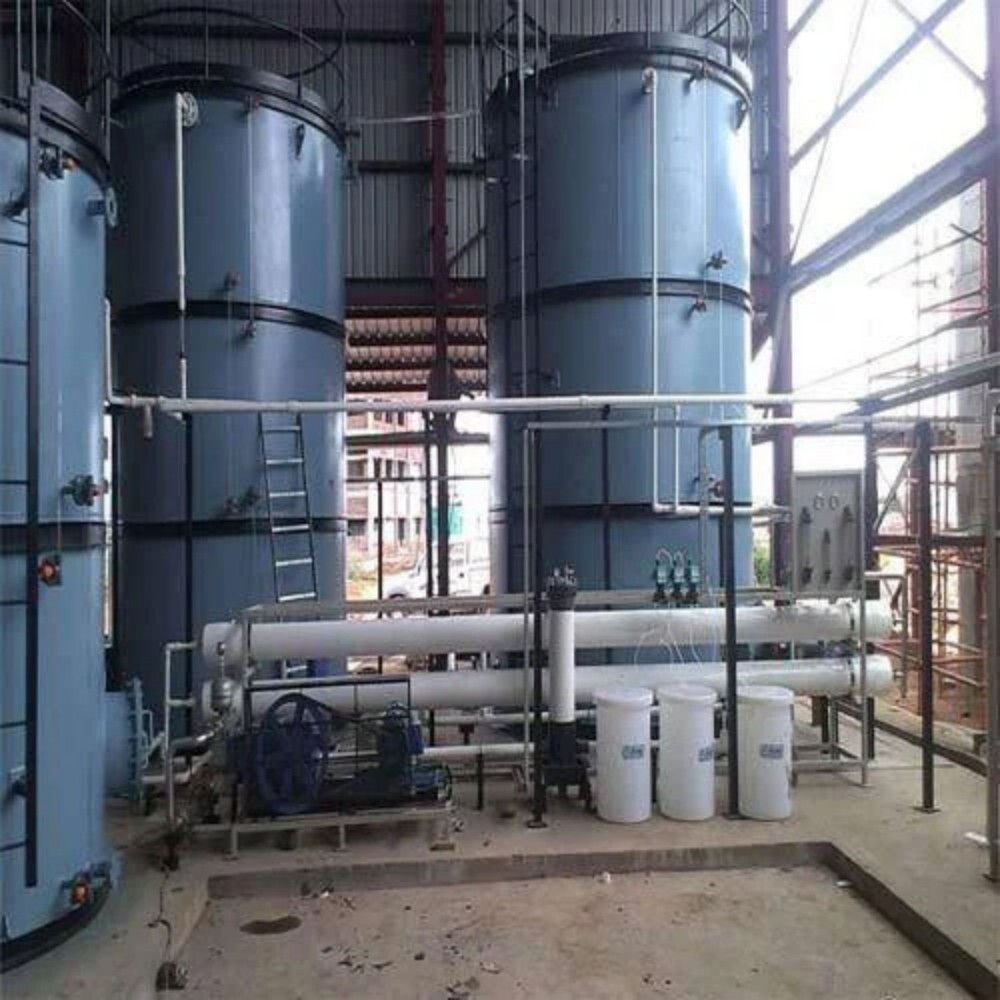
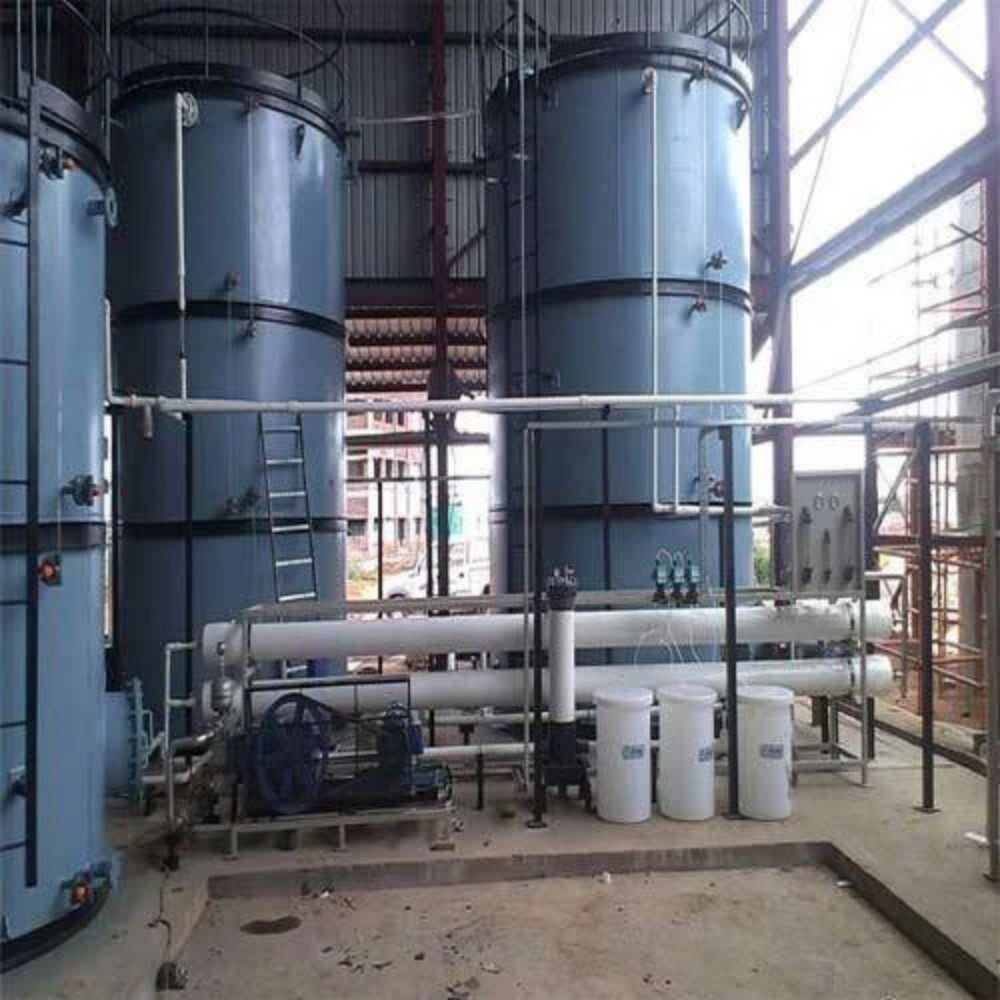
A Zero Liquid Discharge (ZLD) System is an advanced wastewater treatment solution designed to ensure 100 percent recycling and recovery of industrial effluent, leaving no liquid waste for discharge. Engineered with high efficiency evaporation, crystallization, filtration, and membrane based technologies, this system helps industries achieve environmental compliance, reduce freshwater consumption, and lower overall operational costs.
Ideal for industries where wastewater disposal is restricted or costly, ZLD systems are widely used in textile, chemical, pharmaceutical, distillery, power plant, steel, paper, food & beverage, and manufacturing sectors. Built with robust industrial grade components, the system ensures continuous performance, low maintenance, and compliance with CPCB pollution control norms.
Companies from major industrial hubs such as Delhi NCR, Mumbai, Pune, Ahmedabad, Surat, Vadodara, Hyderabad, Bengaluru, Chennai, Kolkata, Jaipur, Lucknow, Indore, Nagpur, Coimbatore, Visakhapatnam, and states like Uttar Pradesh, Maharashtra, Gujarat, Karnataka, Tamil Nadu, Telangana, Haryana, Rajasthan, West Bengal, Odisha frequently search for ZLD systems due to strict environmental regulations and rising water scarcity.
Product Highlights / Key Features
Complete Zero Liquid Discharge Process
Multi Stage Treatment Technology
-
Combines RO, MEE (Multiple Effect Evaporator), ATFD, Crystallizers, UF, ETP Integration, and more.
Ideal for Heavy Industrial Applications
-
Perfect for textile dyeing, pharma, chemical processing, tanneries, distilleries, food processing, thermal power plants, metal finishing, and more.
High Water Recovery Efficiency
Durable, Industrial Grade Construction
Compact, Modular & Energy Efficient
Automated Operation
Environmental & CPCB Compliance
Efficient Wastewater RecoveryHarness advanced treatment technologies-Membrane Bioreactors, RO, Multi Effect Evaporation, and Crystallization-to process and purify industrial effluents. Achieve water recycle rates up to 98%, maintaining water out conductivity below 20 S/cm, and ensure effluent compliance with all statutory environmental regulations. This results in maximized resource utilization for industries without liquid waste discharge.
Automated Controls for Optimal OperationThe plant operates with a robust PLC-based control system equipped with an intuitive HMI interface. This allows for seamless process monitoring, automatic adjustments, and quick diagnostics. The automation ensures reliable operation between 5C and 55C, providing stable performance with minimum downtime and reducing manual interventions.
Integrated Sludge Management and PretreatmentThe integrated sludge drying and handling unit simplifies solid waste management, adhering to efficient and safe disposal standards. Comprehensive pretreatment-through DAF, clarifiers, or softeners-enables the plant to handle highly variable influent qualities, ensuring optimal protection and longevity of critical system components.
FAQ's of Industrial Zero Liquid Discharge Plant:
Q: How does the ZLD plant achieve compliance with CPCB and environmental regulations?
A: The ZLD plant incorporates a multi-stage treatment process (membrane bioreactor, RO, evaporator, and crystallizer) that effectively removes contaminants to ensure the final discharge meets all CPCB and statutory environmental standards. Continuous monitoring and control via PLC and HMI interfaces further guarantee regulatory compliance.
Q: What is the typical process flow for wastewater treatment in this system?
A: Influent undergoes pretreatment-using DAF, clarifiers, or softeners-before advanced treatment via membrane bioreactors, followed by reverse osmosis, then evaporators and crystallizers. The residual sludge is managed onsite, while the purified water is recycled or safely discharged, ensuring zero liquid discharge.
Q: Where can this ZLD system be installed and for which applications?
A: This ZLD plant is designed for flexibility and can be installed skid-mounted or onsite, adaptable for industries such as textiles, pharmaceuticals, food processing, chemical manufacturing, and power plants-suiting the specific volume and flow-rate requirements of each site.
Q: When is maintenance required, and how accessible is it?
A: Routine and preventive maintenance are simplified through strategically designed access points on the plant. The system notifies operators of maintenance needs via the HMI interface, and both onsite and remote support are available for troubleshooting and service needs.
Q: What benefits does the PLC-based HMI interface offer users?
A: The PLC-based HMI interface provides real-time process control, monitoring, and diagnostics, enabling efficient plant operation with minimal manual oversight. It enhances safety, reduces downtime, and supports detailed reporting for regulatory and operational compliance.
Q: How is sludge generated and managed in this ZLD plant?
A: Sludge resulting from treatment processes is automatically transferred to an incorporated drying and handling unit within the plant. This ensures safe, efficient, and compliant sludge processing, minimizing manual handling and facilitating easy disposal.
 Uttar Pradesh, India
 Mon-Sat 9.00 AM to 6.00 PM






 Send Inquiry

 Send Inquiry


